How Different Roofing Materials Handle Harsh Weather
Your roof stands between your family and everything nature throws at your house, from driving rain and heavy snow to blazing summer heat and fierce winds. When severe weather rolls through your neighborhood, the material covering your roof plays a huge role in whether your home stays dry or suffers costly water damage. Choosing the right material for your local climate protects your living spaces, lowers monthly energy bills, and saves you from constant storm repairs.
Because every roofing product reacts differently to wind, ice, and sunlight, understanding your options makes planning a roof upgrade much easier. Working with a skilled roofing company helps you compare how popular materials hold up over time in your specific area. When you know what each roof type can handle, you can pick a strong, attractive cover that keeps your home safe in every season of the year.
Protecting Homes With Asphalt Shingles
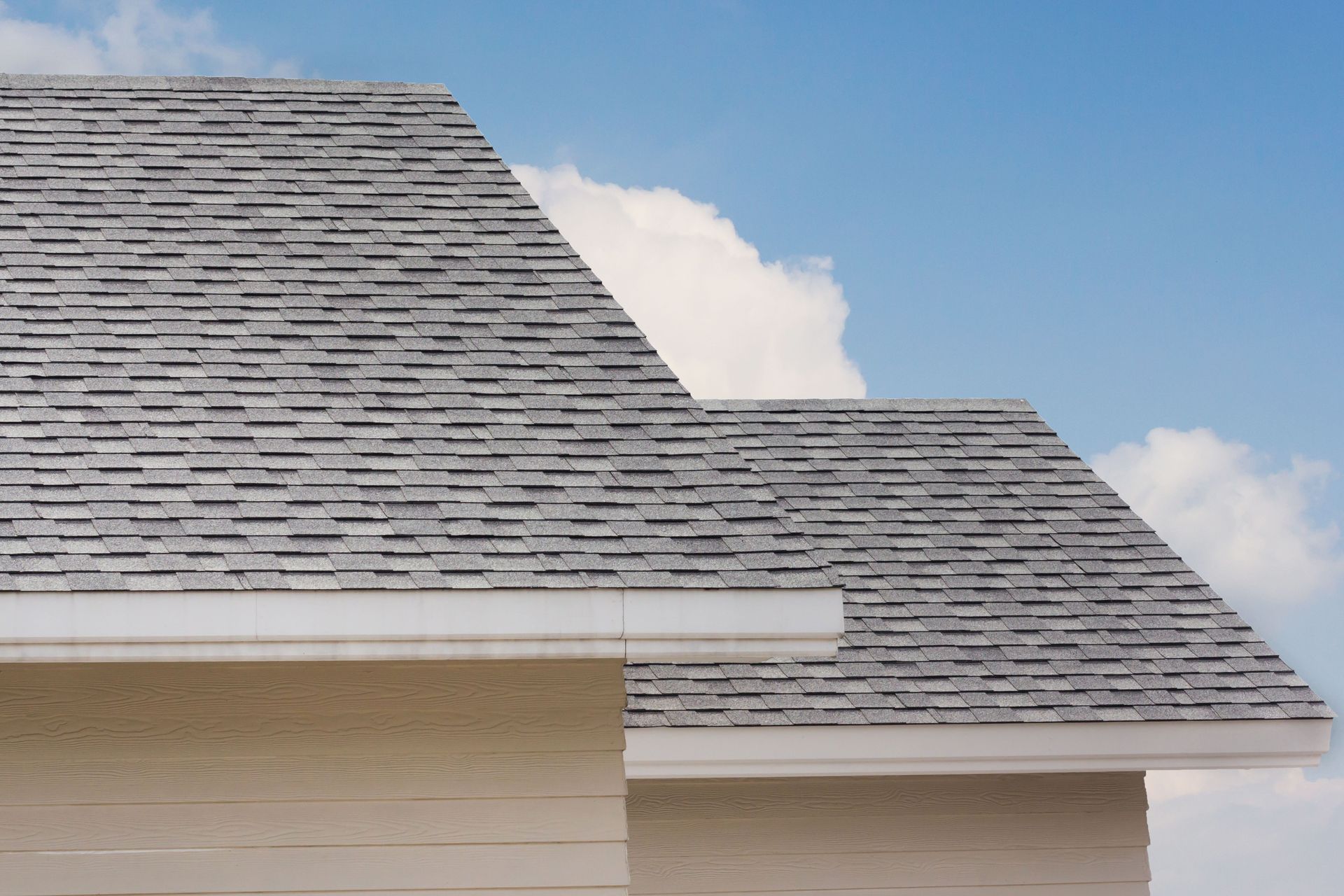
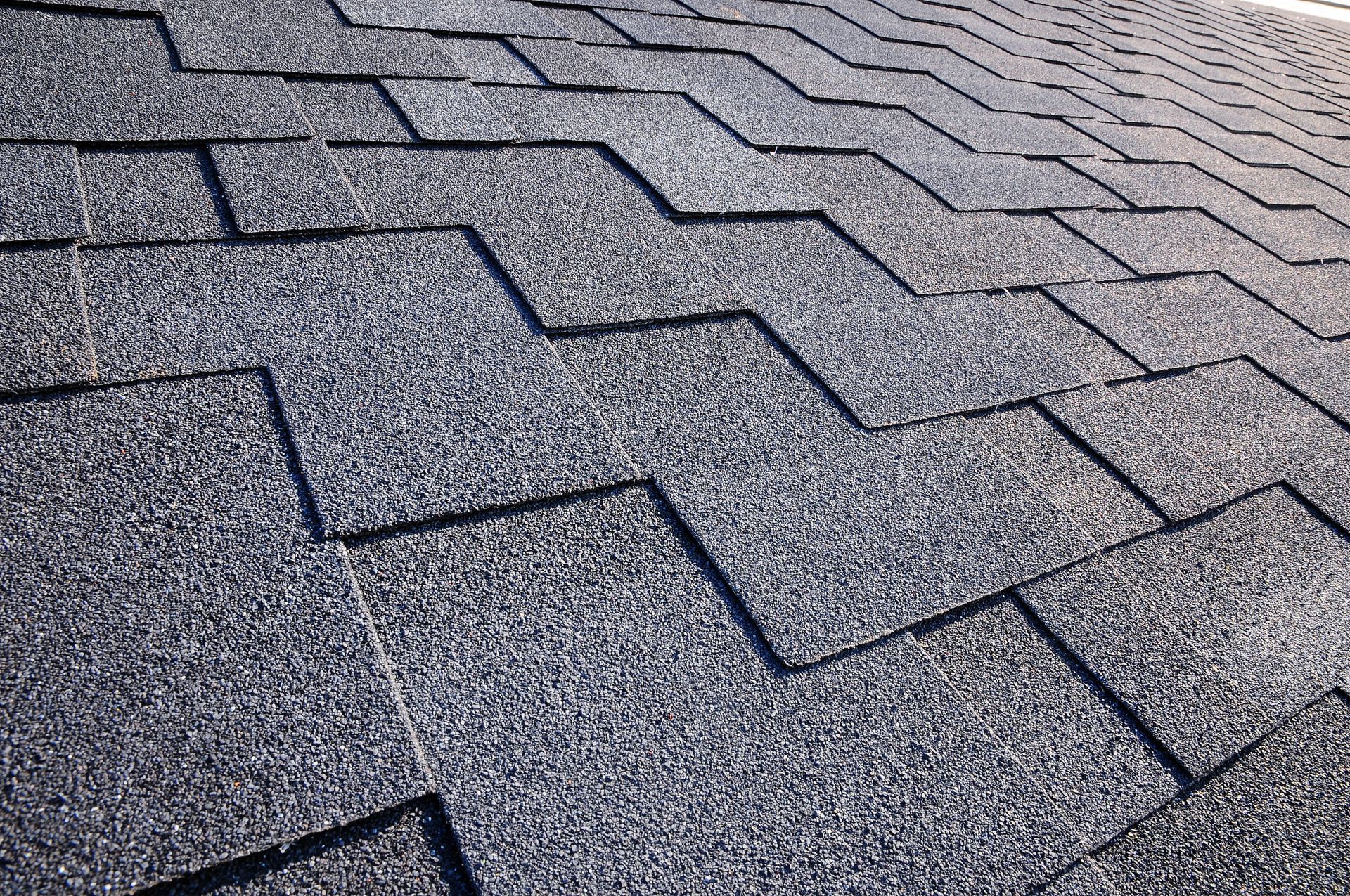
Asphalt shingles are the most common roofing choice across the country because they are affordable, easy to install, and available in many colors. Quality architectural shingles can stand up to winds of around 110 miles per hour when nailed down properly, and their gritty mineral surface sheds rainwater smoothly into your gutters. However, strong gusts can lift older or poorly fastened shingles, while intense summer sun slowly dries them out and causes curling or granule loss over time.
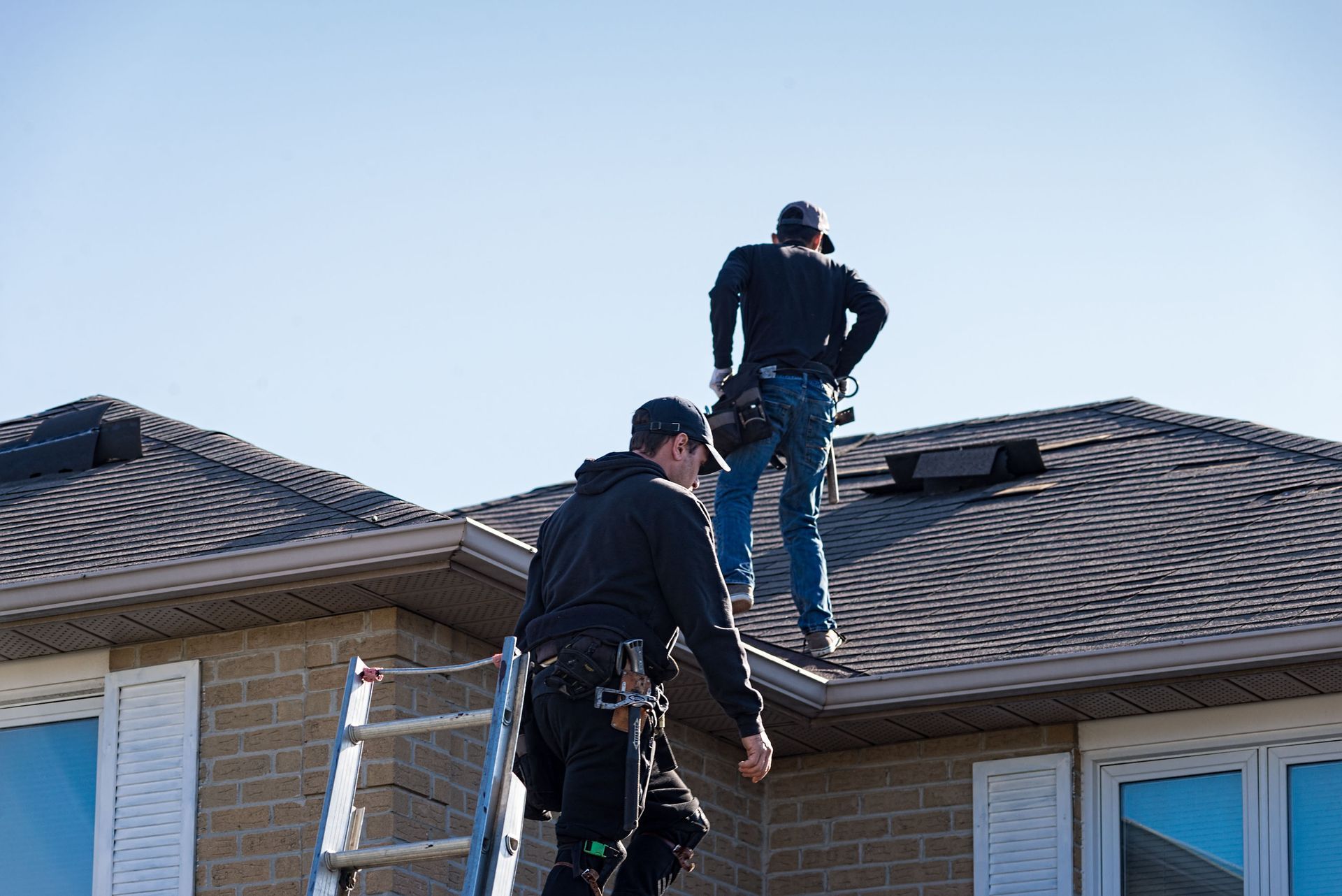
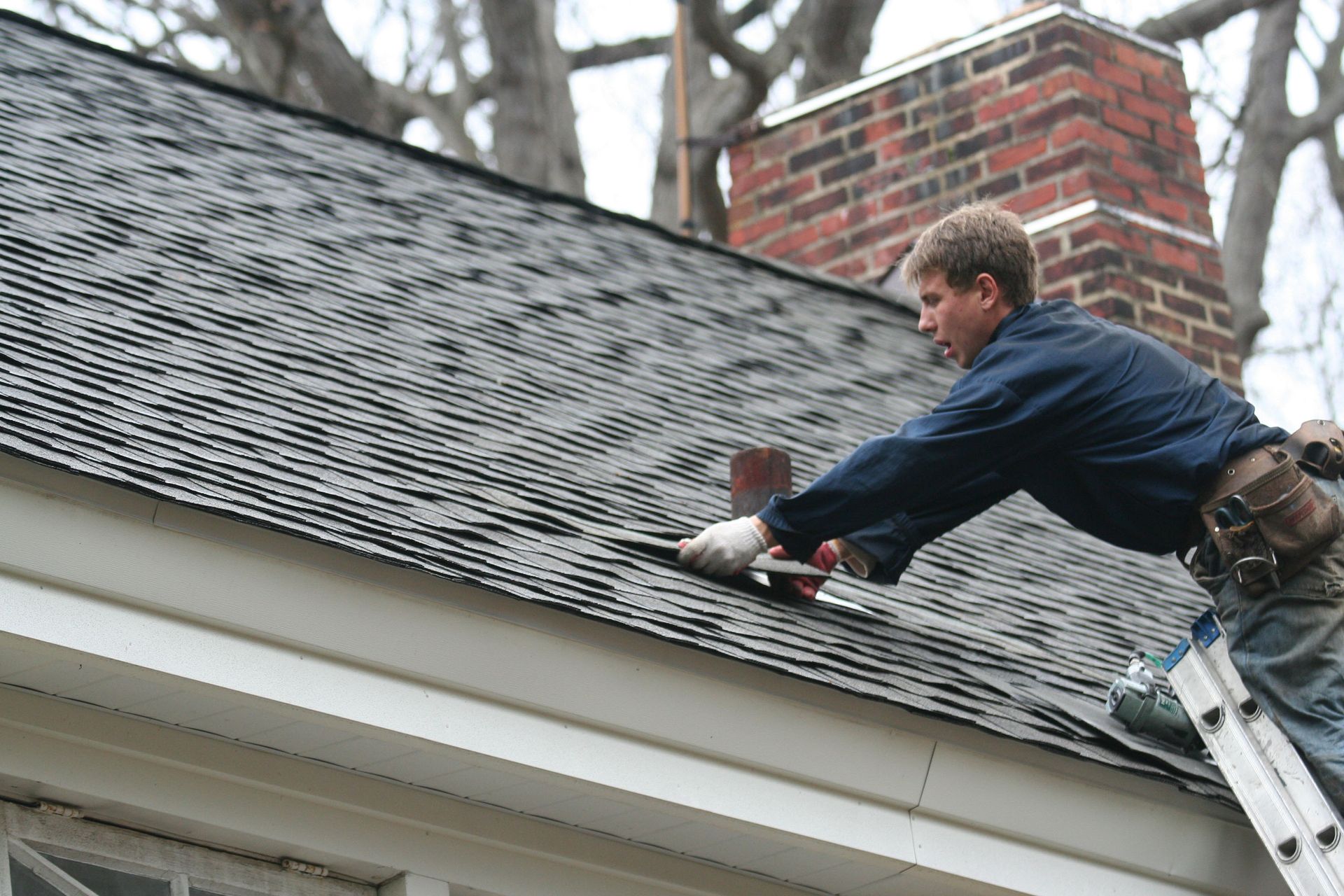
Cold winter weather also puts asphalt roofs to the test when heavy snow piles up and melts unevenly. If warm air escapes from your attic, melted snow can refreeze along the cold roof edges and form thick ice dams that push water underneath the shingles. Having a local roofing company inspect your flashing, clean out clogged gutters, and replace worn shingles early helps an asphalt roof last twenty to thirty years without leaking or blowing apart.
Weathering Storms With Metal Roofing
Metal roofing has grown rapidly in popularity because it handles extreme weather better than almost any other residential option. Interlocking metal panels and hidden fasteners lock tightly together, allowing quality metal roofs to resist winds over 140 miles per hour during severe storms. Because metal does not crack, rot, or absorb moisture, driving rain runs right off the surface without soaking into the roof deck below.
In snowy regions, smooth metal panels let heavy snow slide off safely before dangerous weight builds up on your rafters. During hot summer months, reflective metal coatings bounce bright sunlight away from your house, keeping indoor rooms cooler and trimming air conditioning costs. An experienced roofing company can also apply rust-resistant finishes that protect steel and aluminum panels from salty coastal air and heavy humidity for fifty years or more with minimal maintenance.
Shielding Houses With Tile Roofing
Clay and concrete tile roofs bring classic beauty and impressive weather toughness to homes in warm, sunny, or windy climates. Individual tiles are heavy and fireproof, and when fastened securely to a strong roof frame, they stand up well against harsh sunlight, hail, and strong coastal gusts. The curved shape of many tiles also creates natural air pockets underneath that block heat from transferring into your attic during scorching summer afternoons.
While tiles resist rot and insects for decades, they do require proper structural support and careful upkeep to handle wet or freezing weather. Heavy snow loads can strain older roof frames if the house was not built to carry tile weight, and porous tiles can crack if trapped water freezes inside them. Hiring a knowledgeable roofing company to check your roof framing, seal porous surfaces, and replace cracked tiles keeps a tile roof watertight for generations of family living.
Preventing Leaks With Proper Underlayment
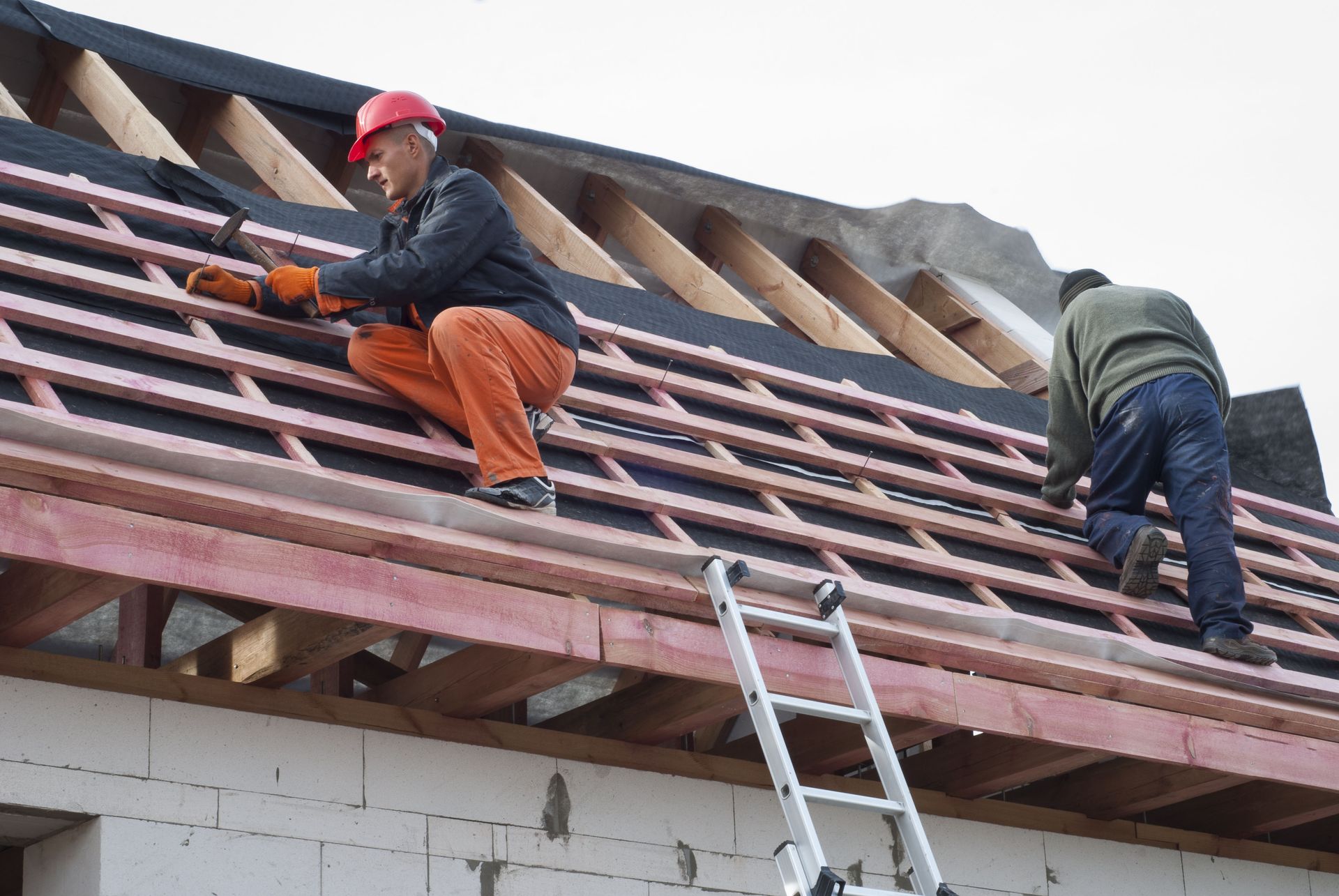
Even the toughest shingles, metal panels, or tiles rely on hidden layers underneath to stop wind-driven rain and melting ice from reaching your living room ceiling. Roof underlayment is a protective waterproof barrier laid directly over the wooden roof deck before the outer roofing material goes on. Modern synthetic underlayments and rubberized ice-and-water shields seal tightly around nail holes, blocking moisture in vulnerable spots like roof valleys, skylights, and chimneys.
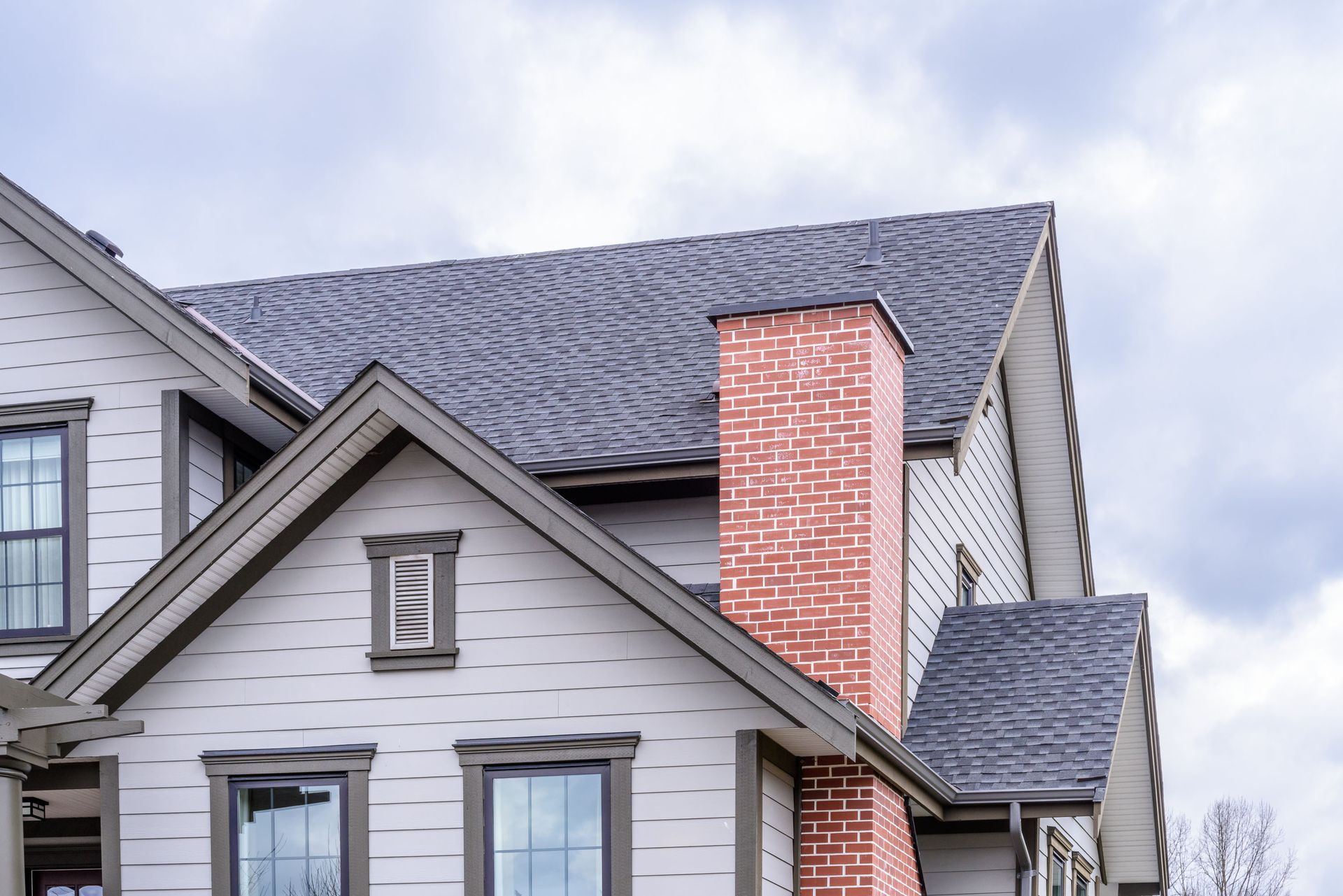
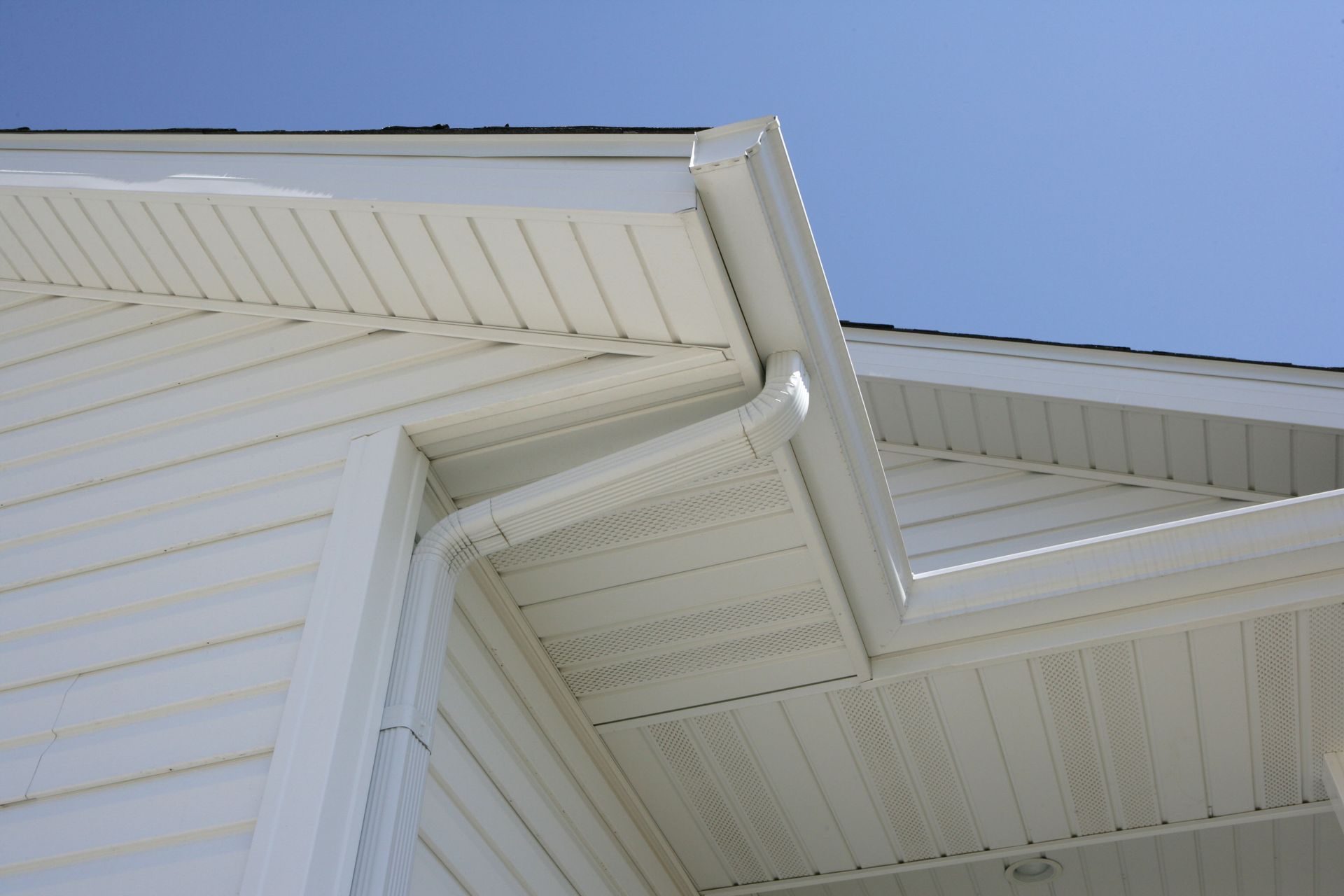
Metal flashing around vents, walls, and pipes works alongside your underlayment to guide rainwater safely away from joints and seams. Over years of hot summers and freezing winters, old caulk dries out and thin metal flashing can rust or pull loose, creating hidden entry points for water. Having a qualified roofing company upgrade your underlayment and flashing during roof work gives your home a powerful second line of defense against severe storms and heavy spring rain.
Managing Snow and Heat With Ventilation
What happens inside your attic affects how well your outer roof handles extreme heat and freezing winter storms. Proper attic ventilation uses intake vents along the lower roof edges and exhaust vents near the peak to keep fresh air moving steadily underneath the roof deck. In summer, this airflow pushes trapped, superheated air outside so your shingles do not bake from underneath and your air conditioner works less.
During winter, balanced airflow and thick attic insulation keep the underside of your roof cold so snow melts evenly rather than forming damaging ice dams along the eaves. Without good airflow, trapped household humidity can also condense on cold wooden rafters, leading to mold growth and soft, rotting roof boards. Asking a reputable roofing company to check your attic vents ensures your whole roofing system breathes properly and stays dry year-round.
Deciding Between Repairs and Full Replacement
After a major hailstorm or wind event, homeowners often wonder whether patching a few damaged spots is enough or if it is time for a brand-new roof. Age and the size of the damaged area are the two biggest clues when making that call. According to Today's Homeowner, fixing a roof makes more sense when it’s under 15 years old and the damage isn’t major.
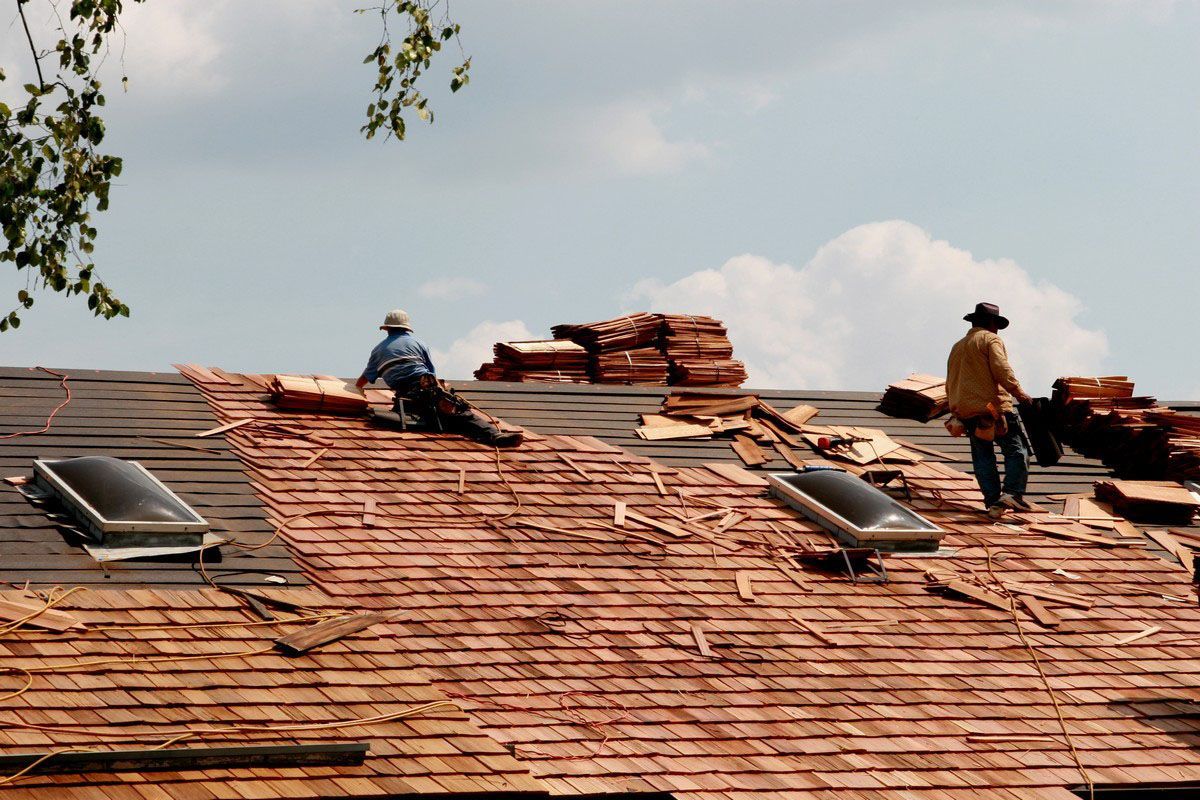
If your roof is nearing the end of its expected lifespan, shows widespread curling, or leaks in several rooms, constant patchwork quickly wastes money. A full replacement lets crews inspect the bare wooden decking, fix hidden water damage, and install modern weather-resistant materials all at once. Consulting an honest roofing company gives you a clear comparison of repair versus replacement costs so you can protect both your family budget and your home.
Partnering With a Reliable Roofing Team
Every roofing material handles wind, rain, snow, and heat in its own way, and matching the right product to your local weather keeps your home safe for decades. By understanding how asphalt, metal, and tile perform, upgrading hidden underlayment and attic ventilation, and fixing storm wear early, you can avoid stressful leaks and protect your property value for many years.
When you are ready to prepare your home for harsh weather with lasting workmanship, reach out to Martinez Roofing & Construction, a dependable roofing company dedicated to keeping local families covered. Their friendly, experienced crew will inspect your roof, explain your material options in plain language, and deliver clean, sturdy results built for your climate. Schedule a free estimate today to give your home strong, reliable protection in every season of the year. With experienced professionals on your side, you can feel confident that your roof is built strong and ready for whatever weather comes next.



Share On: